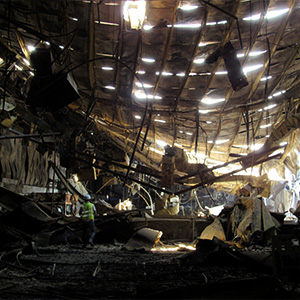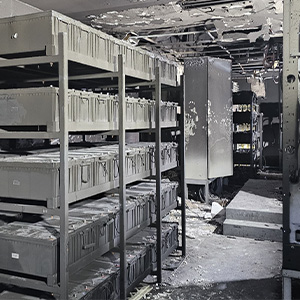
This webinar examines how warehouse fires are investigated, from establishing cause and origin to assessing fire protection performance and reinstatement, with a focus on incidents across the Middle East. Drawing on CEERISK's assessments and investigations across the region, it explores storage arrangements, ignition sources, and what the evidence typically shows once a fire has taken hold.
Read the article from this session: Investigating Warehouse Fires in the Middle East.
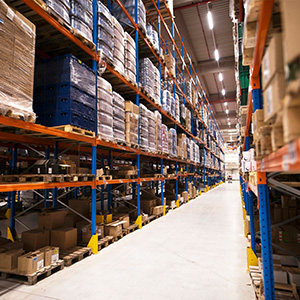
Warehousing across the Middle East is expanding quickly, and much of it holds high volumes of stored goods in large, open buildings under extreme ambient conditions. Storage arrangements change with demand, fire protection is expected to perform in a harsh environment, and civil defence and regulatory authorities across the region set clear expectations that operators are held to. When a fire takes hold, the damage can be extensive and the operational disruption long-lasting.

Webinar Details
Overview
Using case studies from CEERISK's forensic investigations and risk assessments across the Middle East, the speakers will examine how warehouse fires are investigated in local operating conditions, where fire risk tends to concentrate, and why regional conditions matter to how a fire develops and how cause is established. They will discuss storage arrangements, ignition sources, and the performance of detection and suppression systems in a demanding environment. They will set out how an investigation is approached in practice, from evidence gathering through to root cause determination, and what these investigations reveal when controls do not hold.
Format: Live Webinar
Duration: 60 minutes (Including Q&A)
Speakers: Mamoon Alyah, Dr Amir Pourghorban
Choose Session:
Session 1 – Live
26 August
11:00 BST 13:00 AST 14:00 GST
[Register Now]
Session 2 – Pre-Recorded
27 August
8:00 BST 10:00 AST 11:00 GST
[Register Now]
What We Will Cover
- CEERISK Case Studies Examples from CEERISK's warehouse and industrial investigations across Saudi Arabia, the UAE, and the wider Middle East.
- Local Risk Factors How climate, building stock, and operating conditions shape warehouse fire risk across the Middle East.
- Storage & Fuel Load How commodity type, racking, and storage arrangements influence how a fire develops and spreads.
- Ignition Sources The common sources of ignition in warehouse and logistics environments.
- Fire Protection Performance Detection, suppression, and water supply, and how they perform under regional conditions.
Learning Objectives
- What makes warehouse fire investigation in the Middle East distinct
- How storage arrangements and fire load influence the development and spread of a fire
- Where fire protection tends to underperform, and why
- How national codes and civil defence requirements across the region shape assessment and investigation
- What CEERISK's assessments and investigations reveal about prevention
Speakers
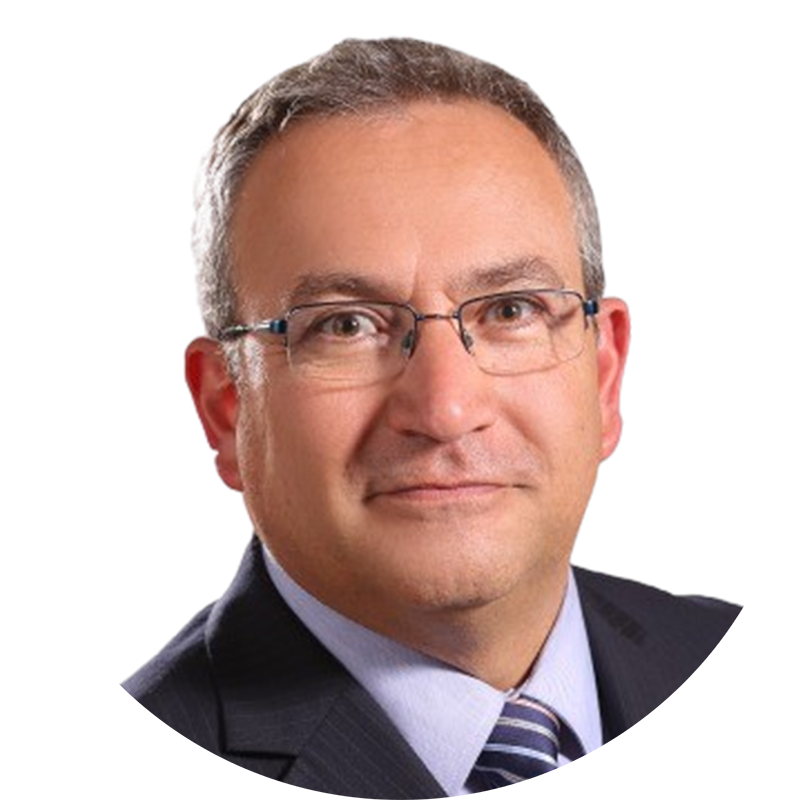
Mamoon Alyah PE, CEng, IRMCert, MBA
Managing Director, Principal Engineer
Mamoon Alyah is the founder and Managing Director of CEERISK Consulting Ltd, bringing more than 35 years of experience across electrical engineering, forensic investigation, and risk consulting. A UK Chartered Engineer, US Professional Engineer, and Certified Risk Management Professional with an MBA, he has directed complex investigations and risk engineering engagements across multiple jurisdictions, delivering independent analysis for legal teams, industrial operators, and insurers on major equipment failures, fire incidents, and process-related incidents.
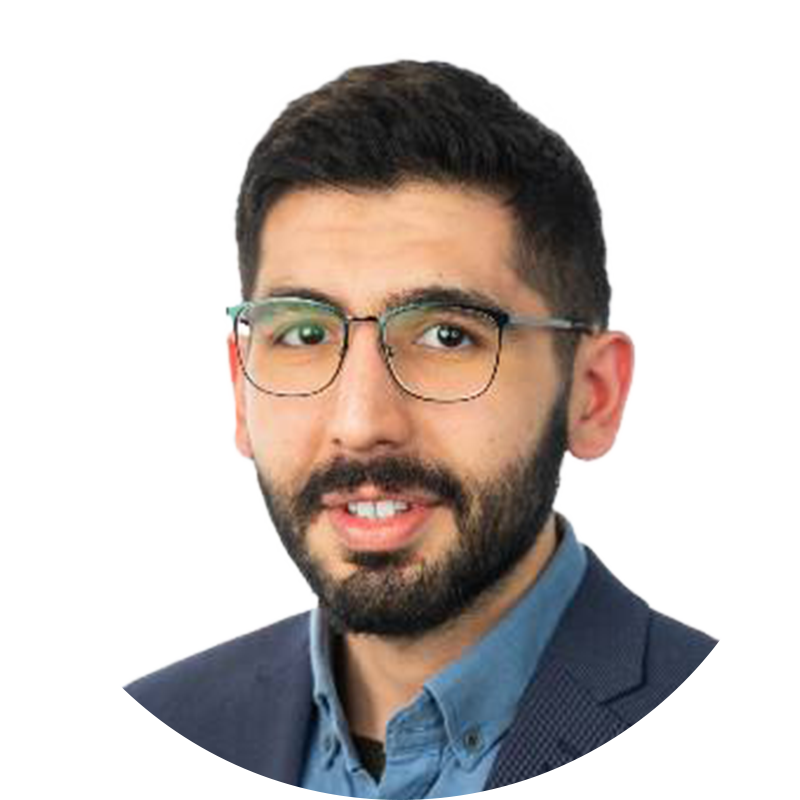
Dr Amir Pourghorban PhD, MSc
Senior Engineering Consultant & Head of Scientific Research
Dr Amir Pourghorban is a Senior Engineering Consultant at CEERISK Consulting Ltd in London, where he provides expert witness support and leads forensic investigations. His engineering background spans the oil and gas, power generation and storage, renewables, and commercial property sectors. He holds dual Master's degrees in Petroleum & Environmental Technology and Reservoir Engineering, and a PhD in Data and AI-driven diagnostics and failure analysis from Cranfield University. In his forensic practice, he specialises in failures involving equipment breakdown, contamination, corrosion, chemical reaction processes, and fire, applying his expertise in thermodynamic and fluid system dynamics to investigate root causes in complex manufacturing and process environments.