CEERISK was appointed to conduct an independent forensic engineering investigation into two fire incidents that occurred within the same critical power infrastructure room at a telecommunications facility, two weeks apart.
Engagement at a Glance
| Sector | Critical Infrastructure - Communication |
| Incident Type | Dual fire events in UPS battery storage |
| CEERISK Role | Independent forensic engineering investigation and Root Cause Analysis (RCA) |
| Services | Scene investigation, forensic testing, Root Cause Analysis (RCA), expert reporting |
| Standards Applied | NFPA 921, NFPA 855, IEEE 1184, industry best practice |
| Key Issues | Lead-acid battery failure, thermal runaway, incomplete post-incident isolation, impaired fire protection, systemic maintenance gaps |
| Methodology | Fire scene investigation, destructive forensic examination, failure mode and effect analysis (FMEA), scene reconstruction, RCA Tools |
Download this Case Study
Keep this case study to hand. Download a single-page summary for your files.
The Incidents
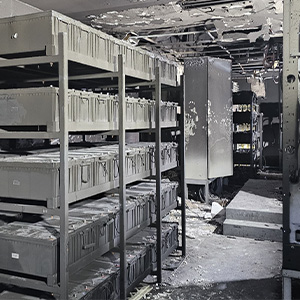
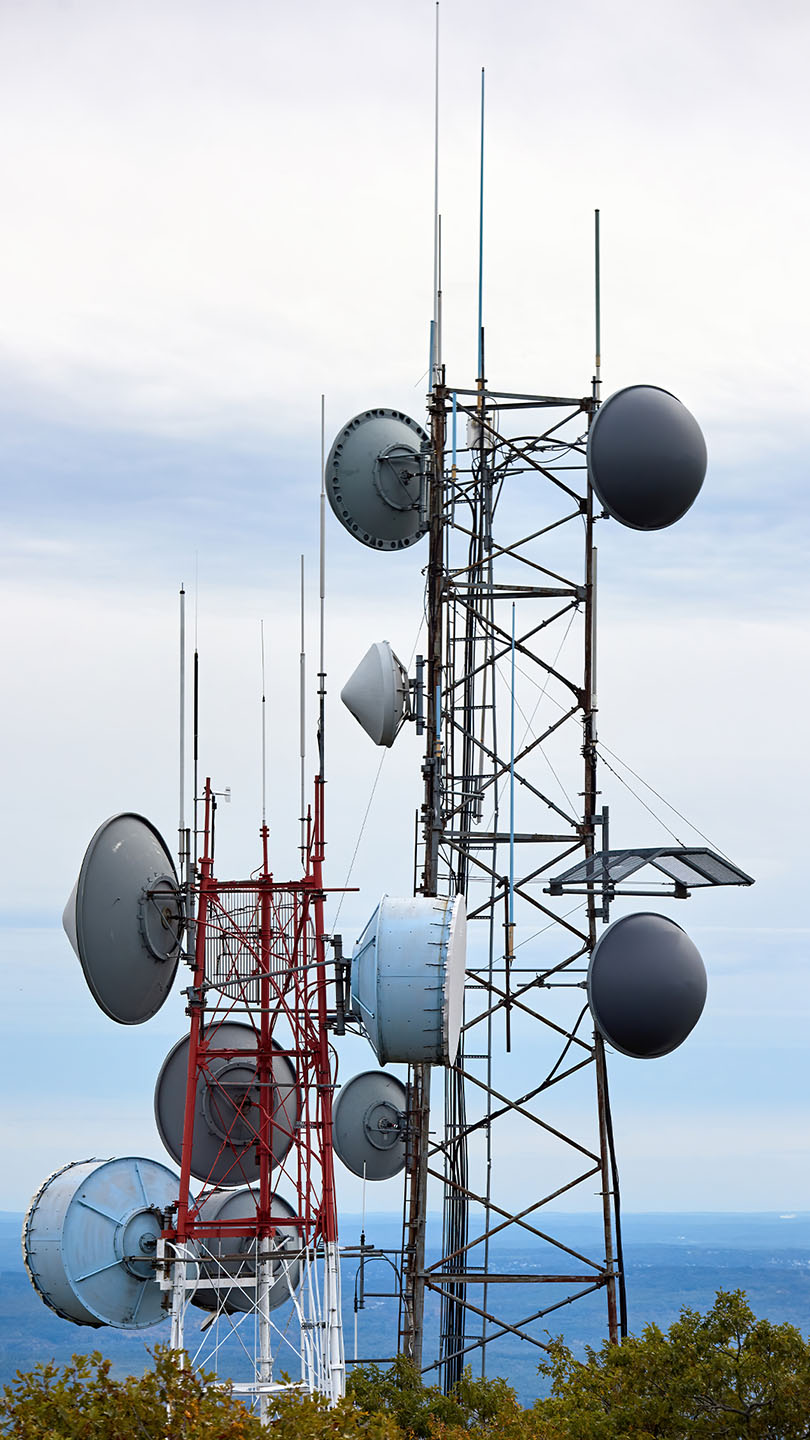 A communications facility experienced two fire events in the same uninterruptible power supply (UPS) and battery storage room. As a result, a facility supporting essential data systems critical to operations sustained heavy smoke contamination and prolonged interruptions of services. The first fire occurred in a rack, housing lead-acid batteries supporting the operation of a UPS system used to power critical IT systems. The fire was suppressed by the room’s gaseous extinguishing system, limiting the immediate physical damage.
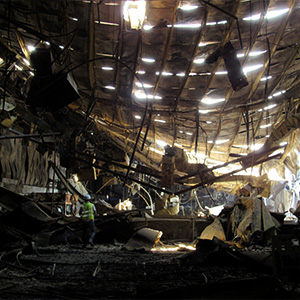
Ten days later, a second and more severe fire broke out in the same battery rack, generating significant smoke, damaging adjacent infrastructure, and contaminating a nearby critical equipment room.
The recurrence of a fire in the same location within such a short period raised several serious questions:
- Had the root cause of the first incident been correctly identified?
- Were the post-incident response and isolation measures adequate?
- Were there systemic vulnerabilities in the facility’s maintenance, environmental controls, and fire protection arrangements that had allowed a second event to occur?
- What were the contributing factors to both fires?
- What can be done to prevent a re-occurrence?
- What changes should be considered for the risk management systems in place?
The airport’s leadership required an independent, technically rigorous investigation to answer these questions, determine the root causes of both fires, and provide actionable recommendations to prevent recurrence.
Scope of Appointment
CEERISK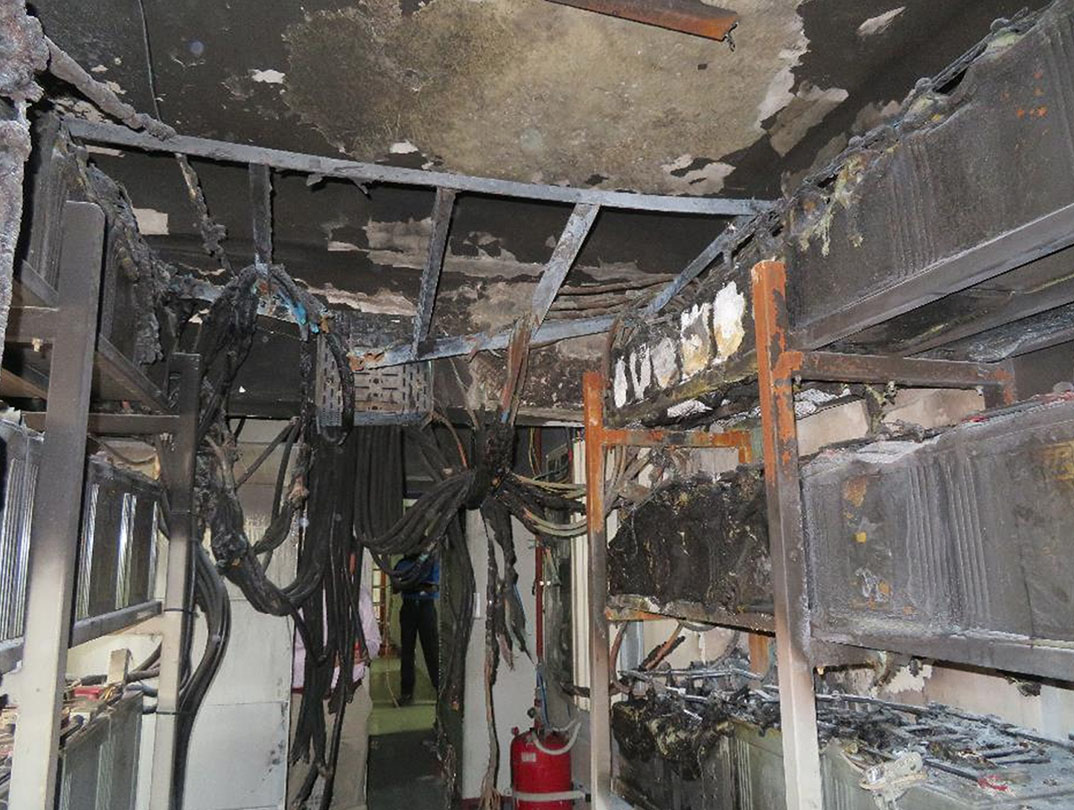 was instructed to conduct a full forensic engineering investigation and root cause analysis covering both fire incidents. The scope encompassed scene examinations and detailed inspection of the damaged equipment, interviews with operation and maintenance personnel, in addition to fire first responders. The investigation covered a comprehensive review of engineering drawings, maintenance records, and battery cell data. CEERISK was also asked to conduct the investigation in accordance with globally recognised standards, including NFPA 921 (Guide for Fire and Explosion Investigations), NFPA 855 (Standard for the Installation of Stationary Energy Storage Systems), and IEEE 1184 (Batteries for Uninterruptible Power Supply Systems). CEERISK was asked to deliver an independent expert opinion with practical recommendations for loss prevention and risk mitigation.
The investigation required both on-site forensic activities and off-site engineering analysis, drawing on multidisciplinary engineering expertise across electrical systems, fire science, and battery technology.
Key Technical Issues Examined
Origin and Cause of the First Fire
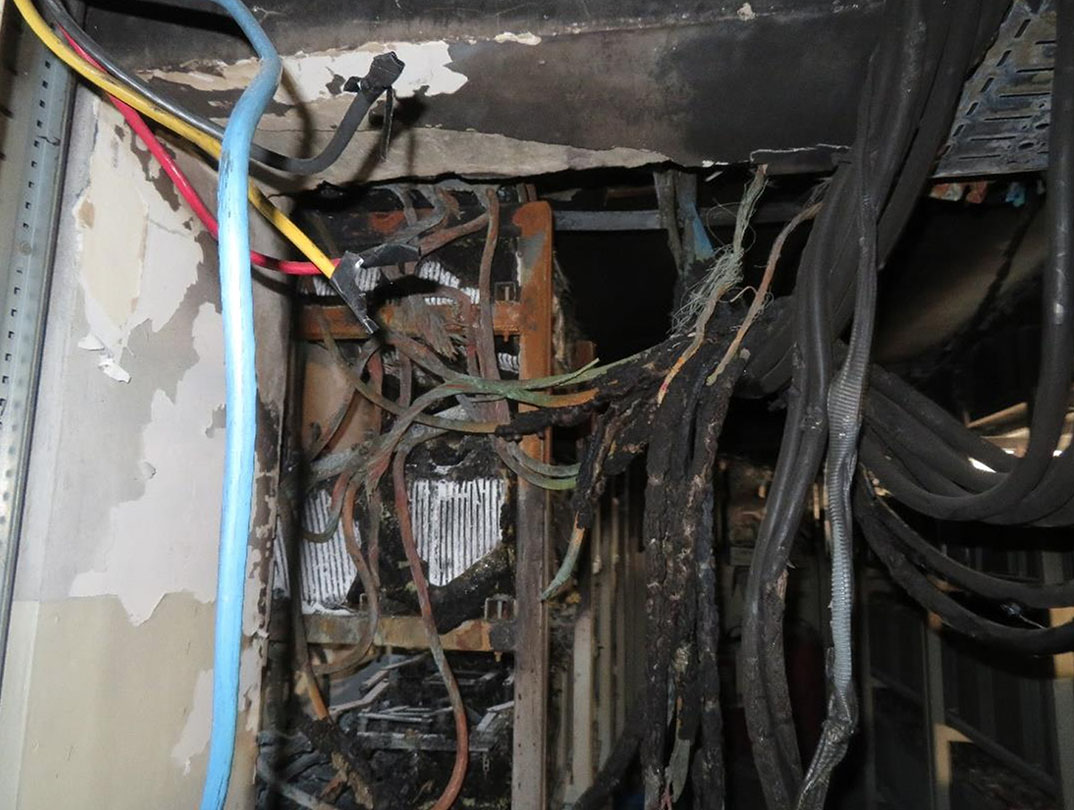 CEERISK’s forensic examination identified that the first fire originated from a single lead-acid battery cell within one of the storage racks. The battery had suffered an internal short circuit caused by the degradation of its internal components, a failure mechanism that is well documented in ageing lead-acid cells where separator material deteriorates over time, allowing contact between plates of opposing polarity. Further investigative steps identified that the affected batteries were part of a group that had expired several months earlier, and a replacement was being procured.
The failure mechanism involved what is known as "thermal runaway", in which sufficient heat was generated internally until the battery failed leading to the ignition of nearby combustible materials. The room’s gaseous suppression system activated and contained the fire, but while the immediate damage was limited, the event exposed deeper systemic vulnerabilities in the facility’s maintenance regime and battery lifecycle management.
Origin and Cause of the Second Fire
Several days after the first incident, a second fire occurred in the same battery rack but originated from a different battery cell. CEERISK’s investigation determined that this event was triggered by an explosive battery failure, driven by residual electrical energy within the interconnected cells and elevated internal pressure.
Critically, the investigation found that several factors had compounded to create the conditions for this second, more severe event. Following the first fire, the facility management team disconnected the main connection leads from the UPS controller to the battery racks, but did not remove the interconnections between the individual cells on the rack, which remained charged. This partial isolation created a false sense of security: the rack appeared to have been made safe, but residual electrical energy continued to flow between the interconnected cells. The room’s environmental controls, including HVAC systems, had not been restored after the first incident, resulting in elevated ambient temperatures that accelerated the degradation of already compromised cells. The energy flow between the still-connected cells, combined with the loss of cooling, led to overheating, a build-up of internal pressure, and ultimately the explosive failure that caused the second fire.
Notably, the expired batteries had already been identified for replacement prior to both incidents. The facility management team had requested their replacement, and a procurement process was underway at the time of the fires, but the failures occurred before the new batteries could be installed. It is a reminder that identifying a risk and acting on it are not the same thing, and that the window between recognition and mitigation is itself a period of elevated exposure.
The combination of these factors (incomplete isolation, loss of environmental control, and age-expired components awaiting replacement) created conditions in which a second fire was not merely possible but, in CEERISK’s assessment, highly likely.
Maintenance, Response, and Environmental Conditions
CEERISK’s investigation extended beyond the immediate fire causes to assess the systemic factors that contributed to the severity and recurrence of the incidents. The review identified a series of compounding failures across maintenance, post-incident response, and facility management.
Battery components that had been expired for several months remained in active service while replacement was awaited. Physical access to certain battery positions was restricted by the room layout, limiting the ability of maintenance personnel to conduct thorough inspections. Following the first fire, the facility management team’s isolation measures addressed the main UPS-to-rack connections but left cell-level interconnections in place, and the room’s environmental controls were not reinstated, allowing ambient temperatures to rise to levels that placed additional thermal stress on the remaining cells. The fire detection and suppression systems, which had been impaired during the first incident, were not fully restored before the second fire occurred. And the emergency response to the second event was complicated by delays in site access and ventilation challenges created by the confined space.
Taken together, these failures represented a systemic breakdown in the management of a safety-critical facility. Each individual shortcoming was a contributing factor; in combination, they created an environment in which a recurrence was effectively inevitable.
Impaired Fire Protection Between Incidents
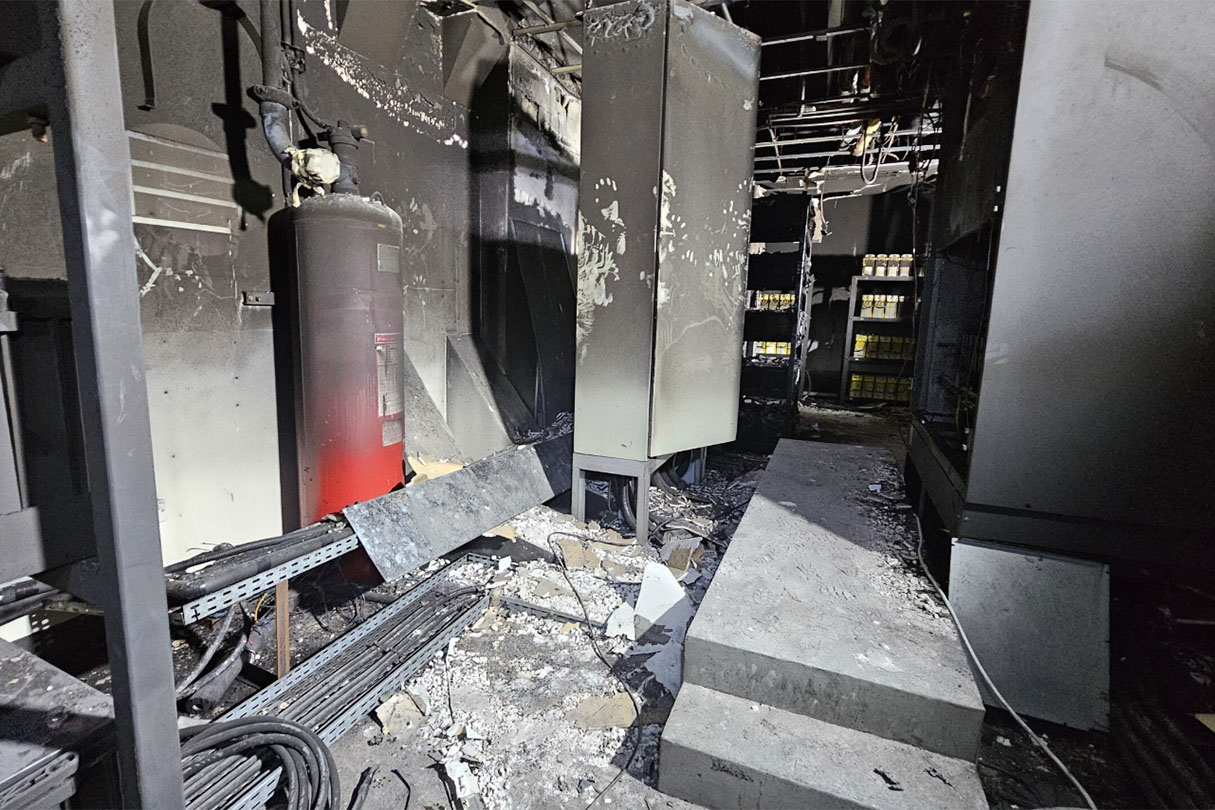 One of the most significant findings was that the fire detection and suppression systems in the battery room were not fully reinstated between the two events. The gaseous suppression system that had successfully contained the first fire was not confirmed as operational before the room was returned to service. This meant that when the second fire occurred, the facility’s primary line of defence was compromised, contributing directly to the greater severity of the second event and the extent of smoke damage to adjacent critical infrastructure.
Need to share this case study with your team? Download the one-page summary. [Download PDF]
How CEERISK Approached the Investigation
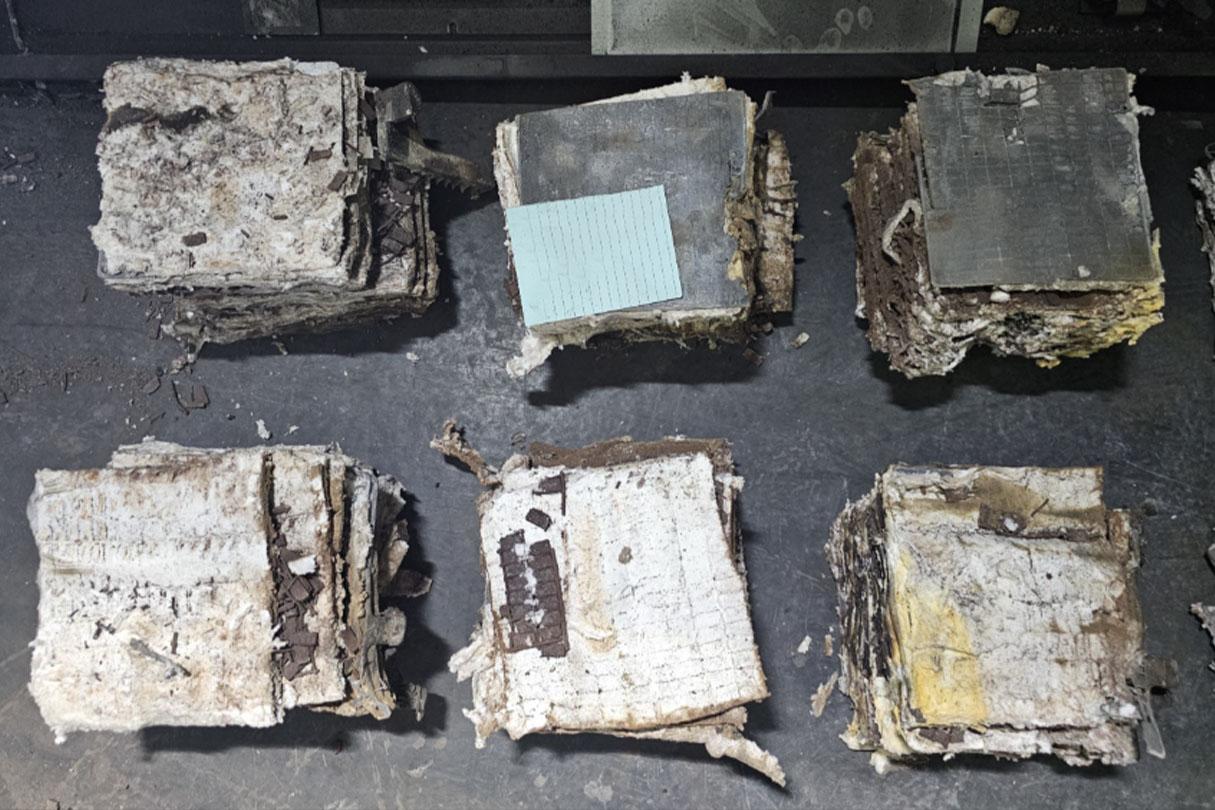 CEERISK applied a structured forensic engineering methodology consistent with internationally recognised investigative standards. The on-site phase included detailed scene documentation and burn pattern analysis, providing the physical evidence base from which the origin and cause of each fire could be established. Destructive examination of the failed battery cells was conducted to inspect internal separator condition, plate integrity, and evidence of thermal and electrical damage.
Interviews with maintenance personnel and fire responders provided the operational context: what was known before each event, what actions were taken, and what constraints affected the response. CEERISK reviewed engineering drawings, maintenance logs, and battery lifecycle records to establish the service history of the affected equipment and assess whether maintenance and replacement schedules had been followed.
Failure modes were reconstructed using the scientific method, working from physical evidence through hypothesis development to validated conclusions. All findings were benchmarked against NFPA 921, NFPA 855, IEEE 1184, and accepted industry best practice for the management of stationary battery installations in critical infrastructure environments.
Expert Opinion
CEERISK’s independent investigation concluded that both fires originated from individual ageing lead-acid battery cells within the same rack. The immediate causes were distinct: an internal short circuit in the first event, an explosive failure driven by residual energy and elevated temperature in the second, but the underlying systemic factors were shared.
Environmental, maintenance, and procedural shortcomings significantly increased the risk of both incidents. Components that had exceeded their service life remained operational. Environmental controls were not restored after the first fire. Battery interconnections were not fully isolated. And critically, fire detection and suppression systems were not confirmed as operational before the facility was returned to service.
In CEERISK’s opinion, both incidents were preventable. With proper lifecycle management, adequate post-incident isolation procedures, timely restoration of environmental and fire protection systems, and improved physical accessibility for maintenance, the conditions that led to both fires would not have arisen.
Value Delivered
CEERISK’s forensic investigation provided the airport’s leadership with a clear, independently verified account of what happened, why it happened, and what needed to change. Through destructive battery analysis and structured forensic methodology, CEERISK isolated the specific failure mechanisms involved in each event and explained how they developed, giving the client a technically defensible evidence base for internal reporting, decision-making, and any potential regulatory review.
Beyond root cause identification, CEERISK delivered a comprehensive set of actionable recommendations covering enhanced maintenance and diagnostic procedures, improved battery isolation protocols, restoration and verification processes for fire protection systems, environmental control improvements, room layout modifications to improve maintenance access, and lifecycle-based replacement planning for battery assets.
The investigation enabled the airport to move from reactive incident management to a proactive, evidence-informed approach to the safety and resilience of its critical power infrastructure. By identifying both the immediate causes and the systemic conditions that allowed recurrence, CEERISK ensured that the corrective actions addressed the full scope of the vulnerability.
Related CEERISK Services
This engagement drew on CEERISK’s forensic engineering and risk management capabilities. CEERISK regularly provides forensic investigation of fire and explosion incidents across industrial, infrastructure, and commercial environments, root cause analysis of electrical and mechanical failures, independent expert reporting for insurers, asset owners, and regulatory bodies, risk assessment and risk improvement planning for critical infrastructure, and technical review of maintenance regimes, safety systems, and compliance with international standards including NFPA and IEEE.
Need an Independent Investigation into a Fire or Equipment Failure?
CEERISK provides forensic engineering investigation and expert reporting across the energy, infrastructure, industrial, and commercial sectors. Whether you need root cause analysis for an insurance claim, independent technical evidence for a regulatory review, or actionable recommendations to prevent recurrence, we welcome a confidential discussion.