Why a complex industrial property is never the same at renewal, and how the four gaps that become apparent between surveys can be identified and closed.
By Mamoon Alyah, Managing Director and Principal Engineer, and Dr Amir Pourghorban, Senior Engineering Consultant and Head of Scientific Research, CEERISK Consulting.
Adapted from our webinar, Renewal Ready: Bridging the Gap Between Perils and Coverage.
Presented by:
 |  | |||
|---|---|---|---|---|
Mamoon Alyah | Dr Amir Pourghorban |
Complex industrial properties change between one renewal and the next, and many of those changes are never reported back to (re)insurers. That was the starting point for the session, which we presented for underwriters, brokers and insurance managers. Its focus was the four gaps that, in our experience, typically arise between one survey and the next.
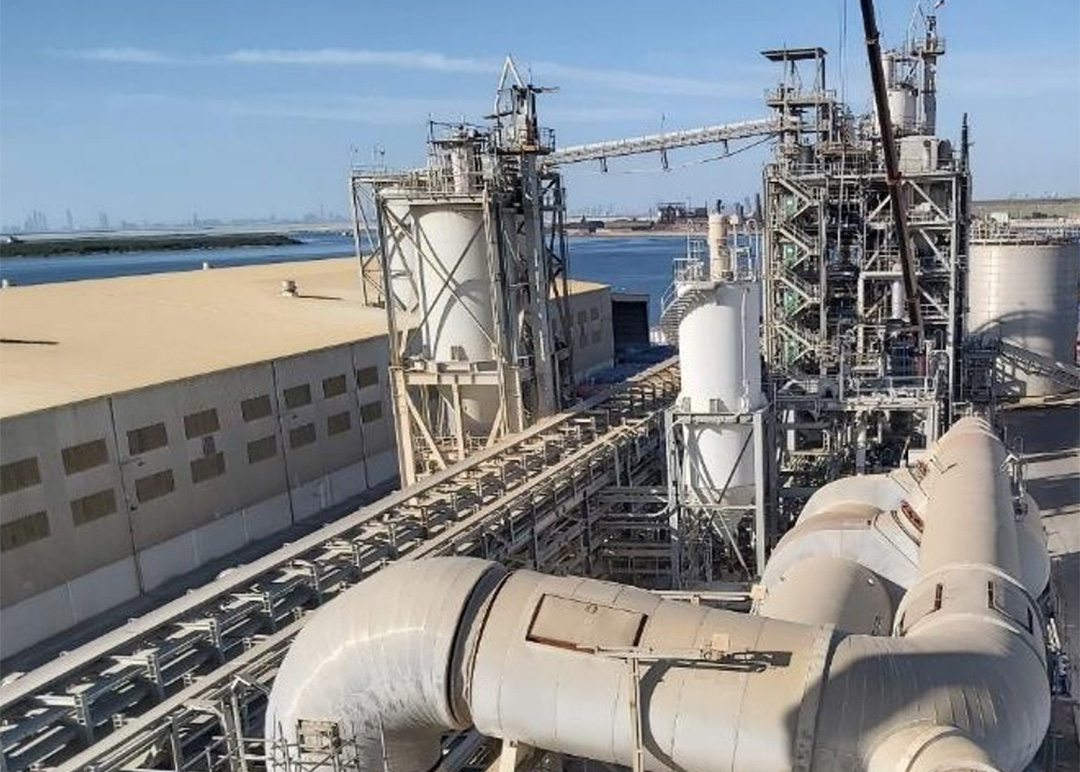 We are frequently instructed to carry out a follow-up survey of a property shortly after a previous one. Depending on the property, that interval ranges from one to three years. Within that short period we consistently find changes. A risk engineer who simply repeats the earlier survey will miss many of them.
This article sets out what changes between renewals and then takes each of the four gaps in turn. It illustrates them with cases from our survey and investigation work on complex industrial properties.
Drivers of risk profile change between renewals
Every property changes between surveys, even when its capacity and design do not. In our experience these changes fall into a handful of recurring types.
- Natural degradation. All equipment ages. Some of it ages gracefully and some of it does not, depending on the care and maintenance it receives. Knowing an item's life expectancy does not tell you its condition, because that depends on how well the maintenance programme has actually worked.
- A changing climate. Degradation used to be judged against historical climate data. That baseline is now shifting, and so is the rate at which equipment ages.
- Changes to configuration, operations and processes. Plants are constantly adjusted to optimise production and increase efficiency. Many of these changes are never reported back to (re)insurers.
- Upgrades and new lines. A major upgrade such as a new line is typically reported, but not always. Smaller upgrades often go unreported. Most of them improve the risk profile, but some introduce additional risk that needs to be assessed.
- Idled and restarted plant. Industries that are sensitive to economic conditions often idle part of a plant for a period and then restart it. This increases the risk to the equipment and to the operation, and it may not be reported.
Climate change deserves particular attention because it amplifies conditions that were once well understood. It has always been hot in Riyadh. What has changed is that extreme heat now occurs more often and lasts longer. Abu Dhabi's average annual rainfall may be unchanged, but that rain can now fall within two or three hours on a single day. Both introduce risks that a survey built on historical assumptions will not capture.
The four gaps between perils and coverage: condition, records, history and change
Based on the surveys we have carried out, the gaps that arise between one survey and the next fall into four categories.
- Condition. The condition of the equipment, the site, the buildings and the operation, and whether each is working as it should.
- Records. Not all companies keep good records, and even good records can have gaps. The records that matter go well beyond maintenance and operations. They also cover upgrades, changes, training and changes of employees and operators.
- History. What happened between the last survey and this one, and how that history has affected the operation.
- Changes. Companies constantly work to optimise, increase efficiency, lower costs and improve output. These changes may never be reported or reflected in the risk profile, yet they can affect it greatly.
The hazards differ from one industry to the next, but the gaps do not. The sections below take each gap in turn.
Gap one: equipment condition, corrosion and hidden degradation
Equipment can look the same from one survey to the next while its condition has changed. Assuming the condition is unchanged because the machinery is unchanged is where risk is missed.
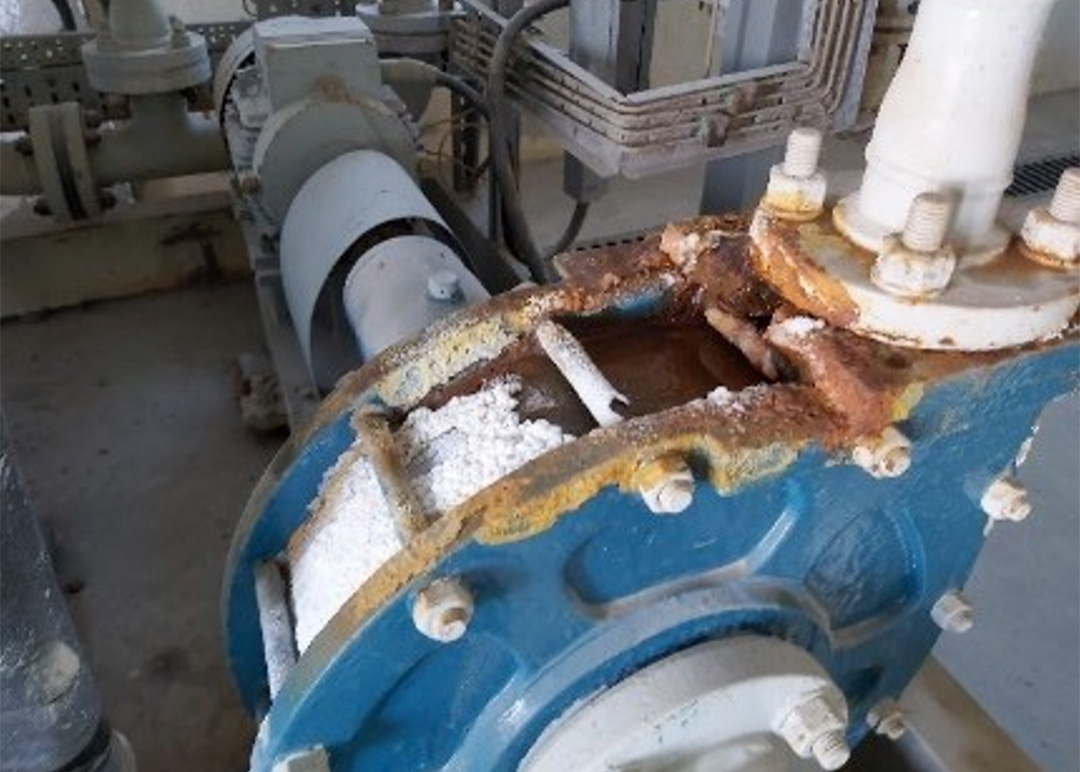 Take a sulphuric acid plant, or any plant that handles chemicals and corrosive materials. Dust and other deposits can build up on equipment and cover the mechanisms beneath. Spills can do the same, and these are not necessarily chemical spills. Flanges and base plates deserve particular attention because corrosion often starts there. A survey one or two years earlier may have found clean, intact connections with no sign of corrosion. Even when nothing else has changed, corrosion can begin to build up at those connection points.
Limits of visual inspection: energised and enclosed equipment
Not every condition is visible from the outside. Energised electrical equipment such as switchgear cannot be opened while it is running. Inspecting it requires a scheduled shutdown, and one is not always available. Some equipment is covered or enclosed in casings that prevent a direct assessment. A surveyor also cannot carry out every test on site, and some tests cannot be done in situ at all. The condition of an item may not be what its surface suggests.
Case study: end-winding contamination and delamination in a 1964 mill motor
The opposite assumption is just as unreliable. At one cement plant, the motor driving a grinding mill was manufactured in 1964 and recommissioned in 2010. On paper, it is a very old machine. Its age alone, however, cannot tell you its condition. Diagnostic testing can.
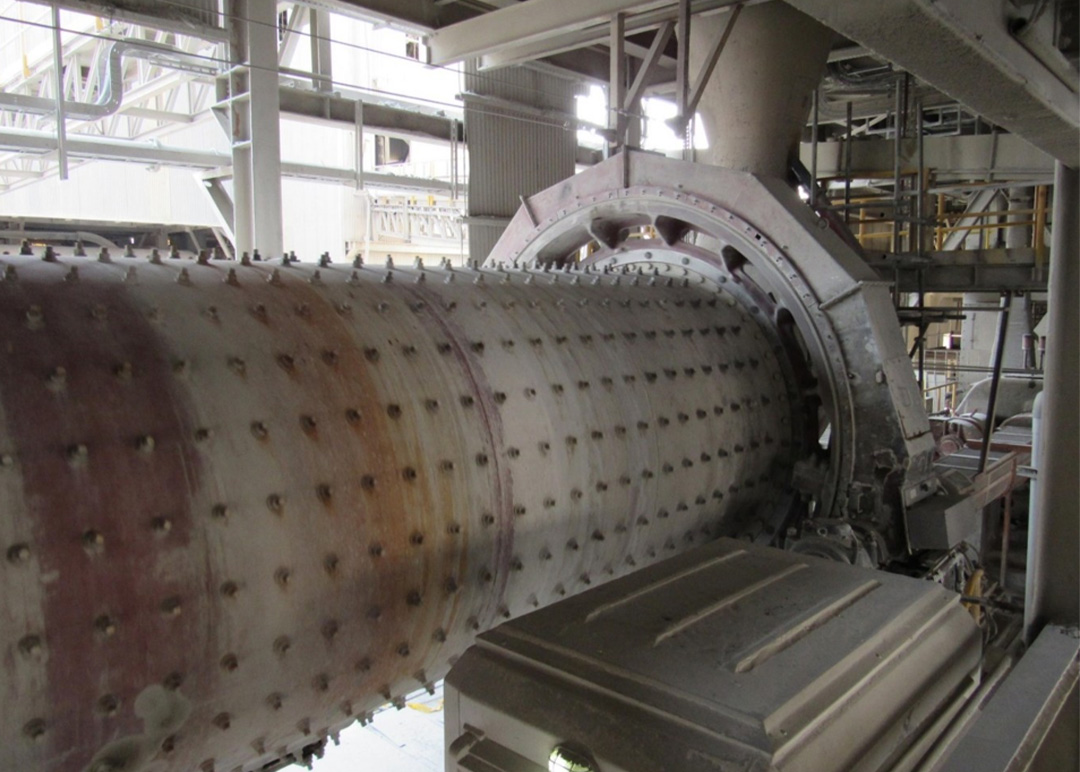 In this case, the test records showed contamination building up on one of the end windings, which was raising discharge levels above what they should be. An internal check of the machine also found delamination in the windings. Together, these findings gave a picture of the motor's condition that its date of manufacture never could.
Gap two: inspection records and the procedures behind them
Having records is not enough. The story lies in the details within the records and the assumptions behind them.
Case study: seized rollers and frictional heating in a conveyor fire at 30 metres
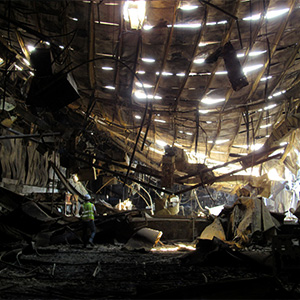
One case involved an operational cement plant around 60 years old, which had new lines added over the years. Like most cement plants, it relies on conveyors to carry material from one tower to the next. A fire broke out on one of these conveyors about 30 metres above the ground. The height made it very difficult for the civil defence to reach and extinguish the fire. The damage was so extensive that the plant had to bypass the conveyor and stop using it.
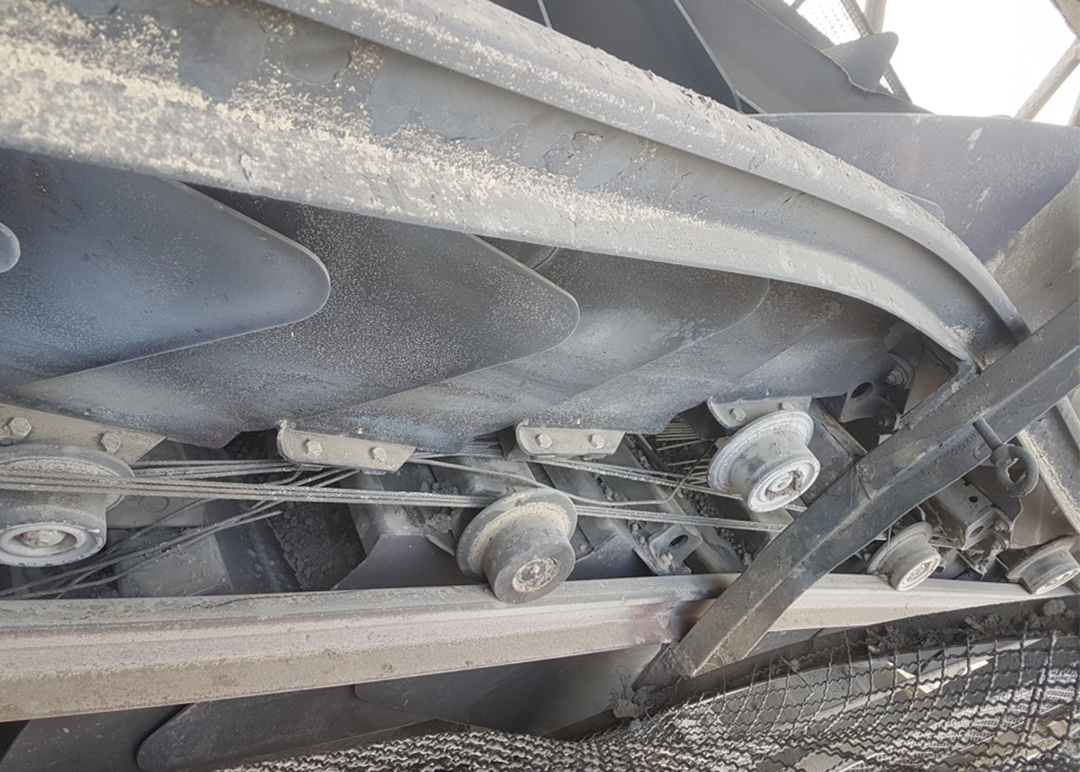 The cause traced back to the conveyor's rubber rollers. In normal operation the belt runs smoothly over them. Over time, heat and mechanical forces can dislodge rollers from their position or cause them to seize. A roller that no longer turns is dragged rather than rolled, and friction builds up. In a process that already handles hot material, this introduces another source of heat.
It would be reasonable to expect routine inspections to catch this, and the plant did have inspection records. They showed that every conveyor was inspected weekly, regardless of its height or how hard it was to reach. That included the conveyor that caught fire. No failures were recorded, and automatic lubrication was recorded as working. The plant also had an annual shutdown during which belts and conveyors were inspected and overhauled where needed.
What the records did not show was that the procedure allowed a conveyor to keep running with a number of seized rollers. That conveyor could still be marked as inspected and operational. This only became clear once we understood the procedure behind the records.
Fire detection impairment: covered smoke detectors in high-dust environments
Another problem we see often in cement plants and other dusty environments involves fire detection. These sites have fire protection and fire alarm systems, but smoke detectors can be set off simply by exposure to dust. We have seen, and photographed, a number of sites where detectors had been bagged up to stop the panel raising alarms and faults.
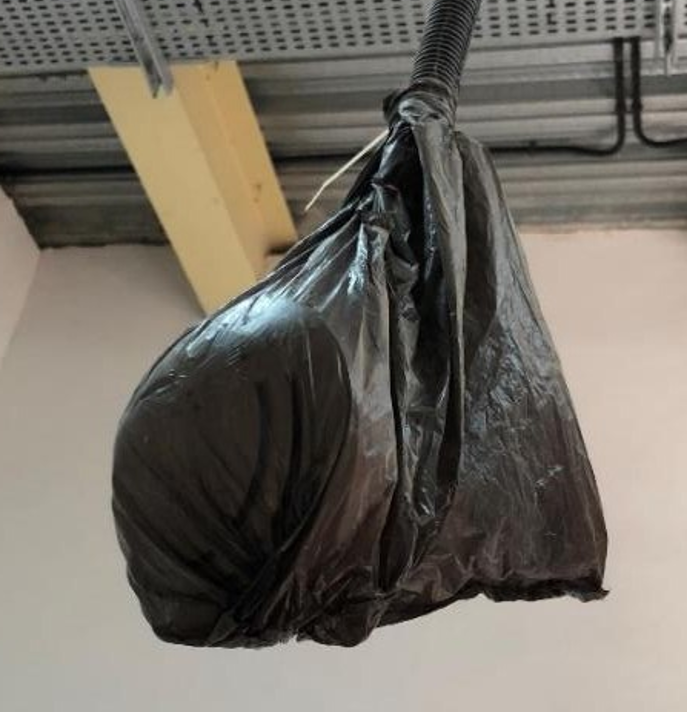 The correct approach is to manage this through an impairment process. That might mean replacing the smoke detector with a different type, such as a heat detector. In one such case, had the detector not been covered, the fire could have been noticed earlier and the extent of the loss reduced.
Installing fire protection correctly matters. So do its testing records and the way faults are handled. When the system raises a fault, how is it rectified? Are any silenced faults being overlooked? Having equipment in place does not mean it is operating as designed, because modifications may have changed it.
Management of change (MoC) and permit-to-work controls
Management systems matter, and management of change matters most of all. Many sites have a permit-to-work system in place, which is good. The question is whether it is carried out to the extent it should be. When procedures change, large changes are more likely to be recorded. Smaller changes are often overlooked, with no follow-through on what circumstances have changed as a result. Having a system in place is one thing. Keeping it updated and active is even more important.
Gap three: asset history, storage and preservation
An asset's history can hold information that is easily overlooked. A date on paper says little on its own. What matters is the effect that history has had on the equipment.
Case study: fan blade coating defects after storage at a power and desalination plant
At one power and desalination plant, the equipment was ordered in 2016. The contract with the original contractor was later cancelled, and the equipment and materials remained on site for about two years. When the project restarted, the fans were installed and commissioned.
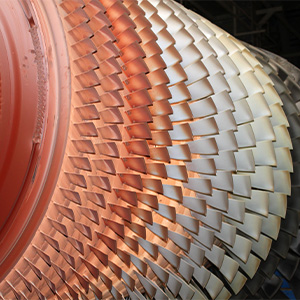
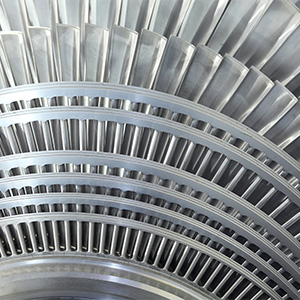
Only a few days after commissioning, the first fan failed. The plant switched to the second fan, which failed four days later in exactly the same manner. When the fans were opened up, the blades had dislodged from their positions. Every blade was collected and taken to the laboratory for close examination.
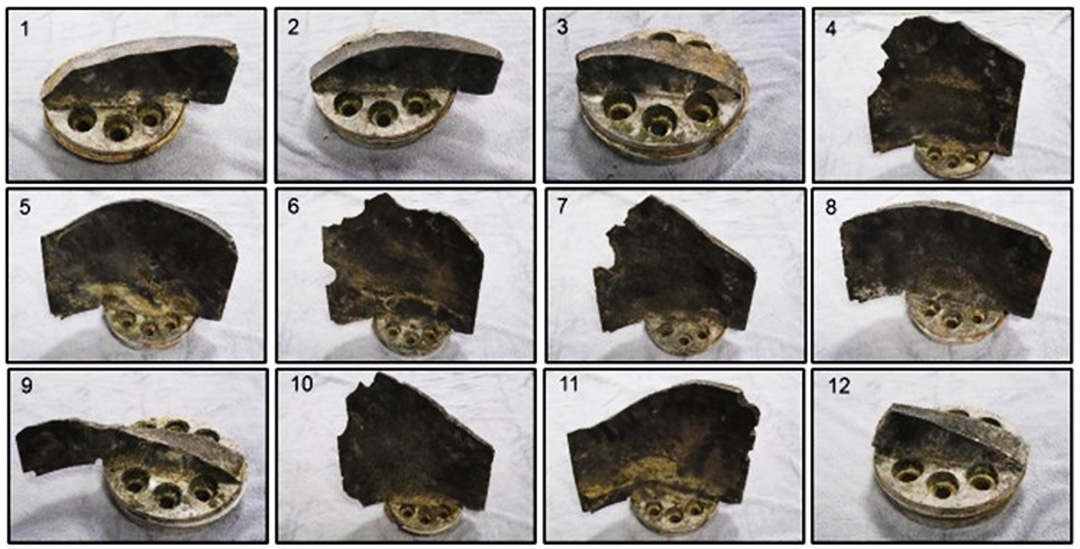
The laboratory work found variations in the coating on the aluminium blades. The coating differed from what was supposed to have been manufactured. It also differed from a reference sample that had aged for the same length of time. This was the turning point in the case.
Exposure to the environment during storage had played a part, but it was not the only factor. There was also a manufacturing defect, which had gone undetected because the equipment had never operated. The storage conditions made that defect worse, and the problem only emerged when the fans finally went into service. The blades showed fatigue even though they had not been in operation. That pointed back to the coating problem from manufacture, the material used and the stresses induced on the blades during storage.
The lesson is that history cannot be read on paper alone, as a delivery date, a storage period and a start-up date. The question is what effect the delay could have had. Sometimes the answer allows the history to be ruled out, for example when the equipment was stored correctly in line with the manufacturer's recommendations. The problem arises when the question is never asked.
Gap four: operational, occupancy and organisational change
A drastic change is usually recorded and passed on. A new production line is too obvious for anyone to miss. The risk lies in changes that do not seem significant.
Market conditions are a common trigger. We have often seen a manufacturer decide to turn a manufacturing plant into storage. That decision changes a great deal down the line, because a building designed for manufacturing was not designed for storage. The same is true in reverse.
Case study: electrostatic discharge ignition in a food processing plant
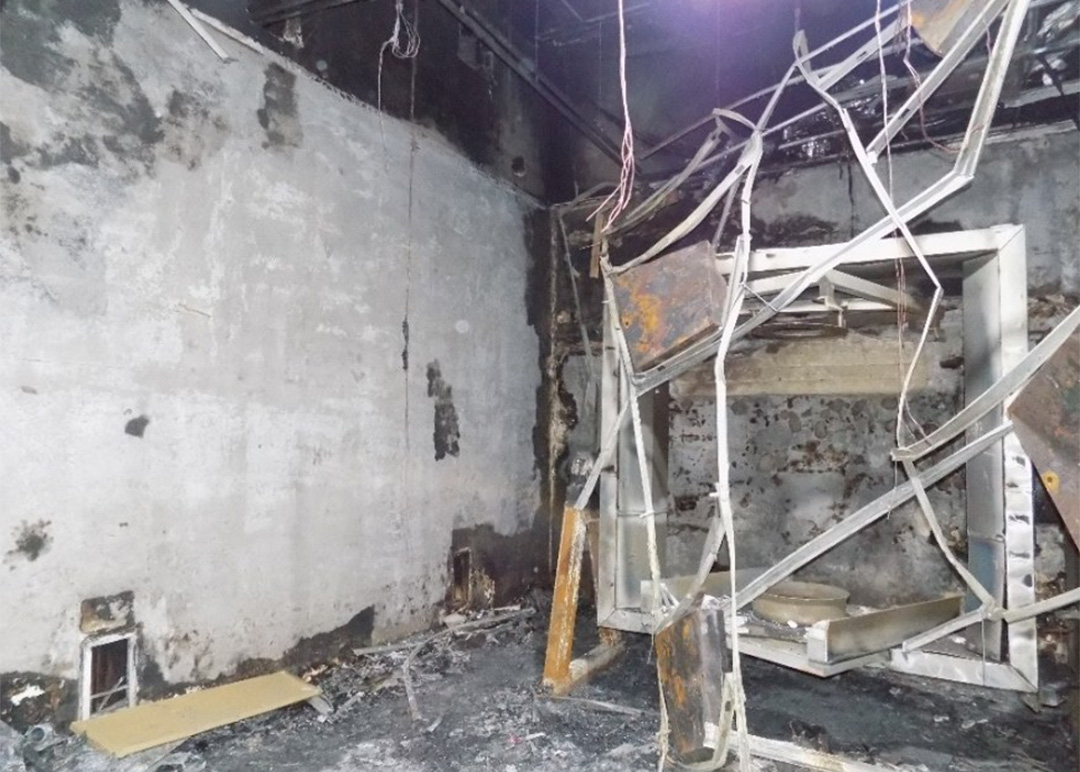 A fire at a food processing plant shows how small a change can be. An operator was cleaning equipment in the blending room. The process involved washing the equipment, drying it with compressed air and then using alcohol. A janitor was cleaning the corridor, and part of that routine was wiping surfaces down with 70% alcohol. Both were doing their regular jobs and following a well-known process, when the fire broke out.
The cause of the fire was electrostatic discharge. Under normal circumstances, this should not have happened. What had changed was that some time before the incident, the company had outsourced its cleaning to a third-party contractor. The contractor's staff were provided with the correct uniform. However, the change was not properly recorded, and the training was not passed on. The contractor did not know that the uniform had a safety purpose.
On the day of the incident, the janitor was not wearing the uniform provided. He was wearing ordinary polyester socks, and the flooring was not anti-static. When he crossed the metal bar of the door, the discharge ignited alcohol vapour from the cleaning process in the blending room.
The change itself was very small. Only the cleaning company had changed, and everything else should have stayed the same. Because the change was not managed and the knowledge was never transferred, it led to a loss.
Line idling, upgrades and storage layout: effects on the risk profile and EML/PML
Operational decisions can alter the risk profile without anyone treating them as a change. At one cement plant, very low market conditions led the operator to shut down two or three of its six lines. The lines stayed down for six months and were then restarted. It was not seen as significant and was not reported to the reinsurers, yet it still altered the risk profile.
Upgrades need the same attention. Plants are constantly optimising and improving efficiency, and some upgrades are mandated or triggered by the equipment manufacturer. These can change the risk profile of the equipment, and sometimes of the entire plant. They need to be considered and documented.
Changes like these can also alter the EML and PML calculations, which estimate the largest loss a single major incident could cause. On a recent second survey of one plant, we had to revise both. The reason was simply the way the plant now stored its finished products, which had reduced the separation distance between different parts of the plant.
Sector hazards and common gaps: cement, steel, food, chemical and fertiliser plants
Each type of plant brings its own hazards. Cement plants have their drives, kilns and conveyors. Steel plants have hazards of their own. Food plants must manage contamination and temperature control. Chemical plants handle corrosive and toxic materials, and fertiliser plants deal with acids and acid storage.
The nature of the hazard changes from industry to industry, but the gaps stay the same.
Key takeaways
It is dangerous to assume that nothing has changed. Even when a plant's capacity, operation and design are the same, the four gaps of condition, records, history and changes can still alter its risk profile.
When we ask whether anything has changed, the answer is usually that everything is exactly the same. Our approach is to ask the question and then question the answer. When we follow up and walk through the operation, we discover a good deal that has changed. Those changes were simply not thought of as important or relevant. That is why renewal questions need to be specific to particular types of change.
- Condition cannot be judged from a distance or from a date of manufacture. Look closely, and use test results where they exist.
- Records tell the full story only when the details and assumptions within them are understood.
- History matters for the effect it has had on the equipment, not for the dates alone.
- A small change that is poorly managed can lead to a significant incident.
That work draws on CEERISK's services. Risk management identifies hazards before they develop into a loss, and forensic engineering investigates the cause when one occurs.
Related Insights: Engineering Risk Assessment for Complex Manufacturing Processes and Fire Risk on Construction Sites.
Preparing a complex industrial property for renewal?
If you underwrite, place or manage the insurance of a complex industrial property and want to understand what has changed since the last survey, we would be glad to talk it through.